Blurred Vision: Causes, Treatments & When To See a Doctor
Blurred Vision: Causes, Treatments & When To See a Doctor
Have you ever blinked hoping the blur would go away — only for it to stay? Blurred vision is one of the most common eye complaints, yet one of the most misunderstood. Whether it creeps up gradually or hits you without warning, it is your eyes telling you something is wrong. If you are in Uttar Pradesh and searching for trusted care, D.K. Eye Care Hospital — a leading eye hospital in Lucknow — has been helping patients restore clear, healthy vision for years. But before you book that appointment, let’s understand exactly what blurred vision means, what causes it, and when it becomes an emergency.
What Is Blurred Vision?
Blurred vision means your eyesight lacks sharpness or clarity. Objects — near or far — may appear hazy, out of focus, or smeared.
It can affect:
- One eye (monocular) — often a sign of a localised problem
- Both eyes (binocular) — may suggest a systemic or neurological issue
It can come on gradually over weeks and months, or appear suddenly within minutes or hours. That difference matters a lot when it comes to diagnosis and urgency.
Common Causes of Blurred Vision
1. Refractive Errors (The Most Common Cause)
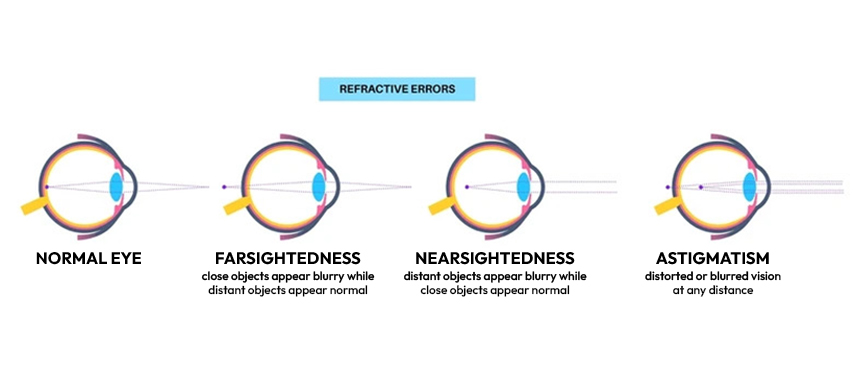
Refractive errors are the #1 reason people experience blurry vision. They occur when the shape of the eye prevents light from focusing correctly on the retina.
Condition | Distance Affected | Description |
Myopia (Nearsightedness) | Far objects blur | Eyeball too long |
Hyperopia (Farsightedness) | Near objects blur | Eyeball too short |
Astigmatism | Both distances | Irregular cornea shape |
Presbyopia | Near objects blur | Age-related lens stiffening (40+) |
Treatment: Prescription glasses, contact lenses, or LASIK surgery can correct these conditions effectively.
2. Cataracts
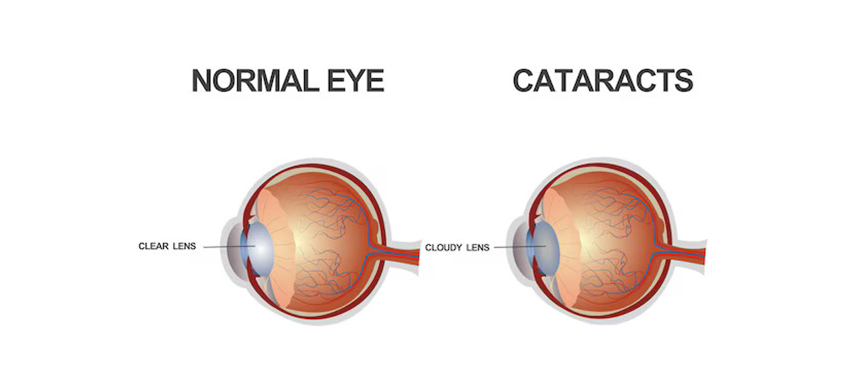
Cataracts develop when the natural lens inside the eye becomes cloudy, causing a gradual, progressive blurring of vision — like looking through a frosted glass window.
Symptoms to watch for:
- Cloudy or dim vision
- Sensitivity to bright light and glare
- Seeing halos around lights at night
- Colours appearing faded or yellowish
- Frequent changes in glasses prescription
Cataracts are extremely common after age 60, but can affect younger people too — especially those with diabetes or a history of eye trauma.
Treatment: The only effective cure is cataract surgery, a painless, outpatient procedure that replaces the cloudy lens with a clear artificial one (IOL). Recovery is fast and results are excellent.
3. Dry Eye Syndrome
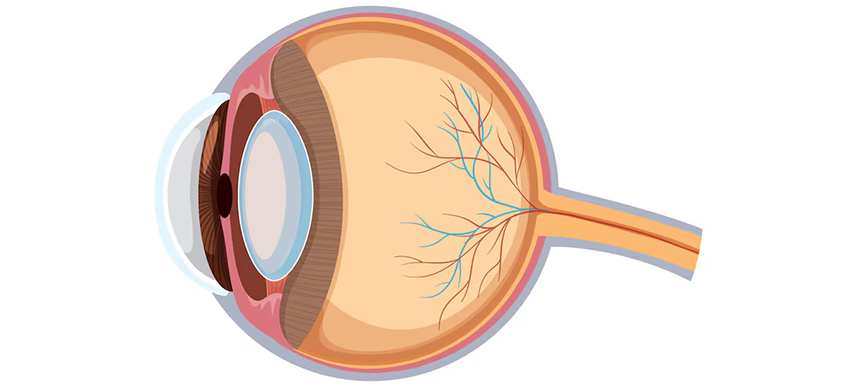
This is more common than most people realise — especially among those who spend long hours on screens.
When the eyes do not produce enough quality tears, the surface becomes irregular and light scatters, causing blurry, fluctuating vision. Blinking often temporarily clears the blur, which is a key sign of dry eyes.
Common triggers:
- Screen time and digital eye strain
- Air conditioning and ceiling fans
- Contact lens overuse
- Certain medications (antihistamines, antidepressants)
- Hormonal changes in women
Treatment: Artificial tear drops, lifestyle changes, dietary adjustments (Omega-3 rich foods), and in advanced cases, procedures like punctal plugs.
4. Glaucoma
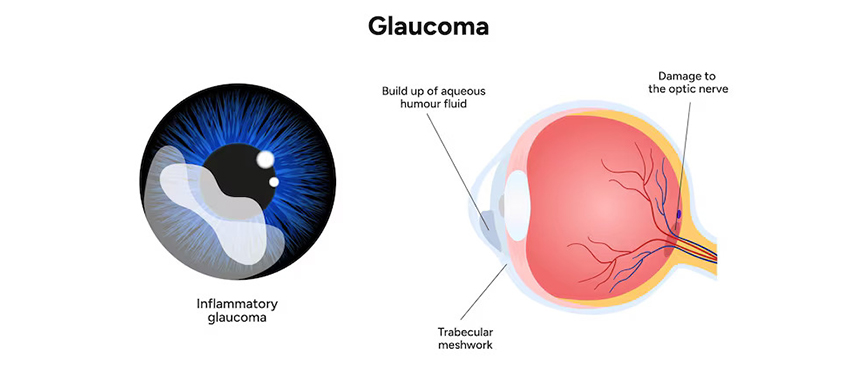
Glaucoma is known as the “silent thief of sight.” It causes progressive damage to the optic nerve — often with no pain or obvious early symptoms.
While glaucoma primarily causes peripheral (side) vision loss first, certain forms like acute angle-closure glaucoma can cause sudden blurred vision along with severe eye pain, headache, nausea, and rainbow halos around lights. This is a medical emergency.
Risk factors:
- Family history of glaucoma
- High intraocular pressure
- Age above 40
- Diabetes or high blood pressure
Treatment: Eye drops, laser treatment, or surgical intervention to reduce eye pressure and prevent further nerve damage.
5. Diabetic Retinopathy
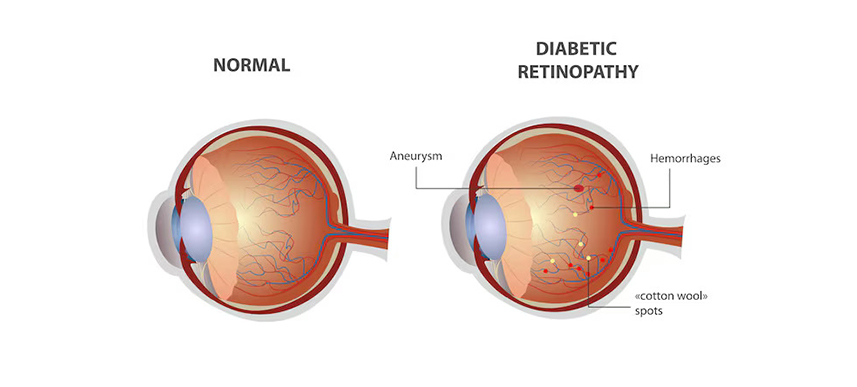
If you have diabetes and your vision has become blurry, fluctuating, or patchy — do not wait. Diabetic retinopathy is damage to the tiny blood vessels in the retina caused by uncontrolled blood sugar.
Stages:
- Early (Non-proliferative): Mild symptoms, often unnoticed
- Advanced (Proliferative): New abnormal blood vessels grow and can leak, causing significant vision loss
Treatment: Laser photocoagulation, anti-VEGF injections, and in advanced cases, vitrectomy surgery.
6. Age-Related Macular Degeneration (AMD)
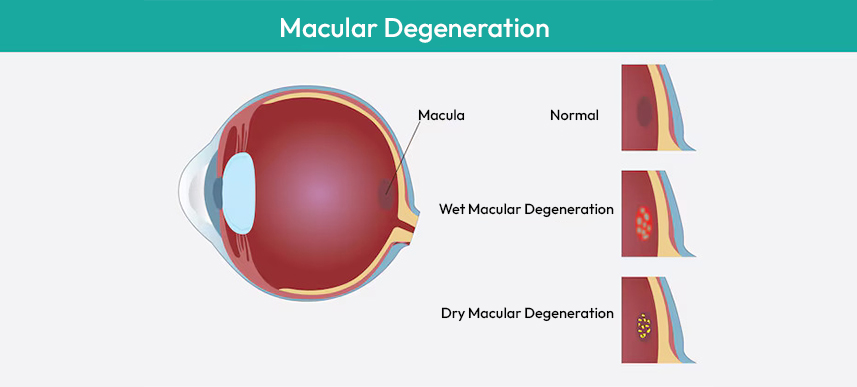
AMD affects the macula — the central part of the retina responsible for sharp, detailed vision. It causes a gradual blurring or blind spot in the centre of your visual field.
There are two types:
- Dry AMD — gradual and most common
- Wet AMD — faster progression, but treatable with injections
Treatment: Anti-VEGF injections (for wet AMD), nutritional supplements (for dry AMD), and regular monitoring.
7. Migraine and Neurological Causes
A visual migraine (ocular migraine) can cause temporary blurred vision, flashing lights, zigzag patterns, or even a temporary blind spot. These usually resolve within 20–30 minutes.
However, sudden blurring with weakness, slurred speech, or facial drooping can be a sign of a stroke or TIA (transient ischaemic attack). Call emergency services immediately.
8. Eye Infections and Inflammation

Conditions like:
- Uveitis (inflammation of the middle layer of the eye)
- Conjunctivitis (pink eye)
- Corneal ulcers
…can all cause blurred vision, redness, discharge, and light sensitivity. These require prompt medical treatment to avoid permanent damage.
9. Screen-Induced Digital Eye Strain

We blink 66% less when staring at screens. This leads to tired, dry, and blurry eyes — especially after long hours of computer or phone use.
The 20-20-20 rule helps: Every 20 minutes, look at something 20 feet away for 20 seconds.
Sudden Blurred Vision: When It's an Emergency
Not all blurred vision can wait for a scheduled appointment. Seek immediate medical care if you experience:
- Sudden blurring in one or both eyes with no obvious cause
- Blurred vision after a head injury or fall
- Vision loss with severe eye pain or headache
- Floating spots, flashes of light, or a curtain-like shadow across vision (possible retinal detachment)
- Blurring with face drooping, arm weakness, or difficulty speaking (stroke symptoms)
- Sudden blurring in a diabetic patient
These situations require emergency eye care — time is vision.
How Is Blurred Vision Diagnosed?
An ophthalmologist will use several tests to identify the underlying cause:
Diagnostic Test | Purpose |
Visual Acuity Test | Measures sharpness using the letter chart |
Slit-Lamp Examination | Examines cornea, lens, and anterior eye |
Fundus Examination | Views the retina and optic nerve |
Tonometry | Measures intraocular pressure (glaucoma screening) |
OCT Scan | Detailed cross-section imaging of the retina |
Fluorescein Angiography | Detects vascular issues in the retina |
Treatment Options for Blurred Vision
Treatment depends entirely on the underlying cause. Here is a quick reference:
Cause | Treatment |
Refractive Error | Glasses, contacts, LASIK |
Cataracts | Cataract surgery with IOL |
Dry Eyes | Drops, plugs, omega-3 supplements |
Glaucoma | Eye drops, laser, surgery |
Diabetic Retinopathy | Injections, laser, vitrectomy |
AMD | Anti-VEGF injections, supplements |
Infection / Uveitis | Antibiotics, antifungals, steroids |
Tips to Protect Your Vision at Home
Good eye health is a daily habit. Here are practical steps everyone should follow:
- Eat a vision-friendly diet — leafy greens, carrots, fish rich in Omega-3, eggs
- Wear UV-protective sunglasses outdoors, even on cloudy days
- Follow the 20-20-20 rule for digital eye strain
- Control blood sugar and blood pressure — both damage retinal blood vessels
- Never rub your eyes aggressively — can worsen certain corneal conditions
- Sleep adequately — eyes repair and restore during rest
- Get annual eye check-ups, even if you think your vision is fine
Why Choose D.K. Eye Care Hospital for Your Eye Care?
At D.K. Eye Care Hospital, we believe that vision is not just sight — it is your quality of life. Our team of experienced ophthalmologists and surgeons uses state-of-the-art diagnostic technology to get to the root of your blurred vision quickly and accurately.
We offer:
- Comprehensive eye examinations
- Advanced cataract surgery with premium IOL options
- LASIK and refractive surgery
- Retina care and diabetic eye treatment
- Glaucoma diagnosis and management
- Paediatric eye care
- Emergency eye care services
- Neuro-ophthalmology for complex cases
Whether your blurred vision is mild or severe, temporary or persistent — we are here to help. Do not wait until the blur gets worse.
📍 Visit D.K. Eye Care Hospital today. Your clear vision is our mission.
When To See a Doctor: A Quick Summary
Symptom | Action |
Gradual blur worsening over months | Book appointment soon |
Blur that clears after blinking | See a doctor within days |
Blur with headache or eye pain | See a doctor urgently |
Sudden vision loss or blur | Emergency — go immediately |
Flashes, floaters, curtain over vision | Emergency — go immediately |
Blur after head injury | Emergency — go immediately |
Frequently Asked Questions
You should see a doctor if your blurred vision lasts more than a day or keeps coming back. Immediate care is needed if the blur appears suddenly, affects one eye, or comes with pain, headache, flashes, or dizziness. Early diagnosis helps prevent serious vision problems.
Blurred vision becomes serious when it happens suddenly, worsens quickly, or is linked with symptoms like eye pain, flashes of light, floaters, or loss of side vision. It may indicate conditions like Glaucoma, Retinal detachment, or even a Stroke, which require urgent medical attention.
Yes, in many cases blurry vision can return to normal. Temporary causes like eye strain, fatigue, or dryness often improve with rest or eye drops. If it is caused by refractive errors, glasses or treatments like LASIK surgery can restore clear vision.
Recovery depends on the cause. Many conditions, such as refractive errors or Cataract, can be fully treated with proper care. However, conditions like Diabetic retinopathy or glaucoma require ongoing management. Early treatment gives the best chance of recovery.
There is no single medicine for all cases of blurry vision. Treatment depends on the underlying cause. Doctors may prescribe lubricating drops for dry eyes, medications to reduce eye pressure in Glaucoma, or injections for retinal conditions. Always consult an eye specialist before using any medicine.
👉 Want to know more? Check out our latest blogs:
Get In Touch

Dr. Deepak Lakhmani, MBBS, MS (Ophthalmology)
Dr. Deepak Lakhmani is a highly skilled and experienced ophthalmologist based in Lucknow, India. He is the founder and director of D.K. EyeCare Hospital. He specializes in cataract surgery, glaucoma management, retina care, and advanced refractive procedures. With a strong focus on accurate diagnosis and modern surgical techniques, he is committed to delivering personalized, safe, and effective eye care to every patient.