Best Eye Hospital In Lucknow | D.k Eyecare Hospital

10 Essential Summer Eye Care Tips to Protect Your Vision This Season
Is the Summer Heat Quietly Damaging Your Eyes?
Most of us slather on sunscreen, carry water bottles, and wear light clothes to beat the summer heat. But how many of us actually think about protecting our eyes?
The truth is — summer is one of the most damaging seasons for your eye health. Intense UV radiation, scorching dry winds, dust, chlorine from swimming pools, and long screen hours all quietly take a toll on your vision.
Whether you’re stepping out in the blazing Lucknow sun or spending hours in air-conditioned rooms, your eyes are under constant stress. At the best eye hospital in Lucknow, D.K. Eye Care Hospital, our ophthalmologists see a significant rise in patients reporting dry eyes, eye infections, allergic conjunctivitis, and UV-related damage every summer.
The good news? Most of these conditions are 100% preventable.
Here are 10 essential summer eye care tips to keep your vision healthy, clear, and comfortable all season long.
1. Wear UV-Protective Sunglasses — Every Single Time You Step Out

Sunglasses aren’t just a style accessory. They are your eyes’ first line of defence against ultraviolet (UV) radiation.
Prolonged UV exposure is a leading cause of:
- Cataracts (clouding of the eye’s lens)
- Macular degeneration (damage to central vision)
- Photokeratitis (a sunburn on the cornea — yes, that’s a real thing)
- Pterygium (abnormal tissue growth on the eye surface)
What to look for in sunglasses:
Feature | Why It Matters |
100% UVA + UVB protection | Blocks both types of harmful rays |
Polarized lenses | Reduces glare from reflective surfaces |
Wrap-around frame | Protects eyes from the sides |
Large or oversized lens | Maximum coverage |
Avoid cheap, tinted glasses with no UV rating — they can actually be more harmful than wearing nothing, as they cause your pupils to dilate and let in more radiation.
2. Never Ignore the Peak Sun Hours
The sun’s UV intensity is highest between 11 AM and 3 PM. If you must step outside during these hours, wear sunglasses and a wide-brimmed hat.
A hat alone can reduce the amount of UV radiation reaching your eyes by nearly 50%. Combine it with proper UV-rated sunglasses for full protection.
This is especially important for people living in cities like Lucknow, where summer temperatures regularly exceed 42°C and UV index levels are categorized as “very high” to “extreme” from April through June.
3. Stay Hydrated to Prevent Dry Eyes
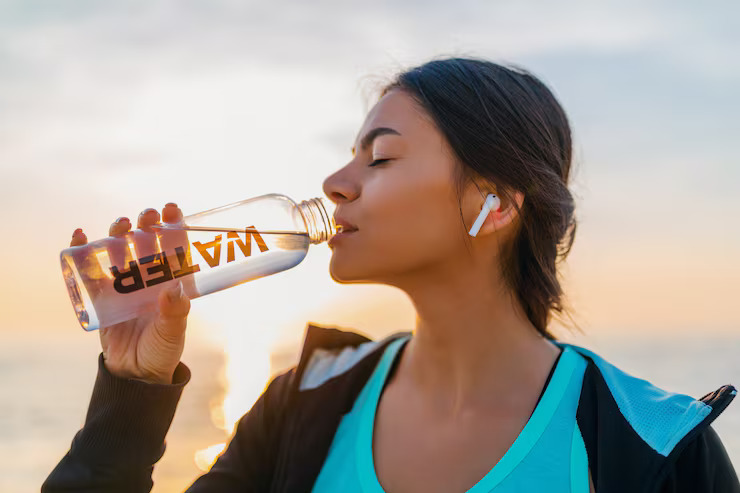
Most people don’t connect drinking water with eye health — but they should.
Your eyes rely on a healthy, stable tear film to stay lubricated, clear, and infection-free. In summer, high temperatures cause this tear film to evaporate much faster than usual.
The result? Dry eye syndrome — a condition marked by:
- A burning or stinging sensation
- Redness
- Blurred vision
- The feeling of something “gritty” in the eye
Drink at least 8–10 glasses of water daily. Limit alcohol and excessive caffeine, which are known to dehydrate the body and worsen dry eye symptoms. Using preservative-free lubricating eye drops approved by your eye doctor can also provide relief.
4. Shield Your Eyes from Dust and Pollution
Lucknow summers are notoriously dusty. Hot, dry winds carry fine dust particles, pollen, smoke, and allergens that can:
- Trigger allergic conjunctivitis (red, watery, itchy eyes)
- Cause corneal abrasions (tiny scratches on the eye surface)
- Lead to bacterial or viral eye infections
Practical steps to reduce exposure:
- Wear wraparound sunglasses outdoors
- Avoid touching or rubbing your eyes with unwashed hands
- Wash your face and hands after coming indoors
- Keep windows closed during peak dusty hours
- Use an air purifier indoors if you have severe eye allergies
If your eyes feel persistently irritated, red, or swollen, don’t dismiss it as “just dust.” Visit an eye specialist for a proper diagnosis.
5. Be Extra Careful with Contact Lenses
Contact lens wearers need to be particularly cautious during summer. Heat and humidity create the perfect environment for bacterial and fungal growth, especially on and around contact lenses.
Dos and Don’ts for contact lens users in summer:
✅ Clean lenses daily with fresh, recommended solution
✅ Wash hands thoroughly before touching lenses
✅ Stick to your prescribed wear schedule
✅ Switch to glasses on very dusty or windy days
❌ Never swim with contact lenses on — pool water contains chlorine and microorganisms that can cause serious eye infections, including Acanthamoeba keratitis
❌ Don’t sleep with your lenses in
❌ Don’t use tap water to rinse or store lenses
If you experience redness, pain, or sudden blurring while wearing lenses, remove them immediately and consult your ophthalmologist.
6. Protect Your Eyes While Swimming

Pool water is full of chlorine — a chemical that disrupts the natural tear film and causes chemical conjunctivitis. Open water bodies like rivers, ponds, and lakes carry bacteria and parasites that can trigger severe eye infections.
Always wear tightly fitting swim goggles before entering any pool or water body. After swimming, rinse your eyes with clean, fresh water. If you wear contact lenses, remove them before swimming without exception.
If you notice redness, discharge, or pain after swimming, treat it as a potential infection and see an eye doctor promptly.
7. Reduce Digital Eye Strain

Summer holidays mean more screen time — more OTT shows, mobile gaming, social media scrolling, and video calls. Extended screen exposure leads to digital eye strain (also called Computer Vision Syndrome).
Symptoms include:
- Tired, sore eyes
- Frequent headaches
- Blurred or double vision
- Neck and shoulder stiffness
- Dry eyes from reduced blinking
Follow the 20-20-20 rule religiously: Every 20 minutes, look at something 20 feet away for at least 20 seconds. This simple habit relaxes the focusing muscles inside the eye.
Additional tips:
- Adjust screen brightness to match the room lighting
- Use blue light filter glasses if you’re on screens for 4+ hours a day
- Maintain a 50–70 cm distance from your screen
- Enable night mode or warm display settings in the evening
8. Eat for Your Eyes — Summer Foods That Boost Vision
What you eat directly affects your eye health. Summer is fortunate in that it offers a range of seasonal fruits and vegetables packed with eye-protective nutrients.
Nutrient | Eye Benefit | Summer Sources |
Vitamin A | Prevents night blindness | Mango, papaya, carrot |
Vitamin C | Reduces cataract risk | Orange, lemon, guava, amla |
Vitamin E | Protects against oxidative damage | Sunflower seeds, almonds |
Lutein & Zeaxanthin | Filters harmful blue light | Spinach, corn, kale |
Omega-3 fatty acids | Supports tear production | Walnuts, flaxseeds, fish |
Zinc | Supports retinal health | Pumpkin seeds, legumes |
Avoid excess fried and processed foods during summer — they increase systemic inflammation, which can worsen conditions like diabetic retinopathy and macular degeneration.
9. Don't Rub Your Eyes — No Matter How Tempted You Are
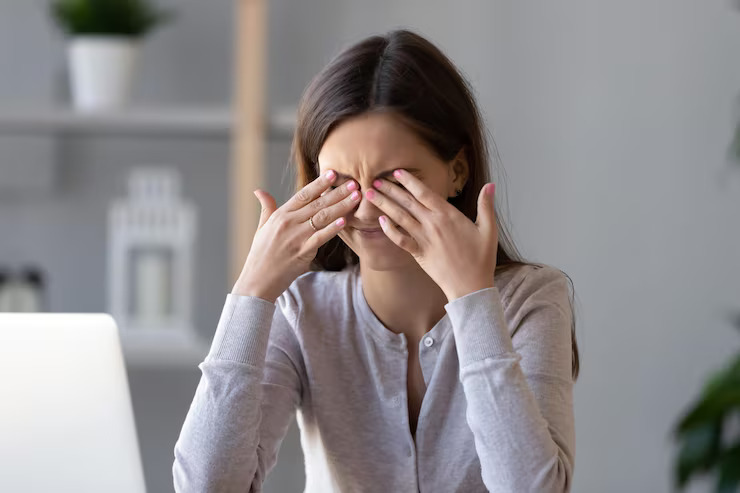
It’s the most natural reflex when your eyes itch — but rubbing your eyes is one of the worst things you can do in summer.
Here’s why it’s dangerous:
- Transfers bacteria and viruses from your hands to your eyes
- Worsens allergic reactions by releasing more histamines
- Can cause corneal damage — repeated rubbing can thin the cornea and lead to a condition called keratoconus
- Spreads infections like conjunctivitis rapidly
If your eyes itch, use a clean, cold compress to soothe them. Preservative-free antihistamine eye drops prescribed by your doctor are the right solution for allergy-related itching.
10. Schedule a Summer Eye Check-up with an Ophthalmologist
Many eye conditions develop slowly, without obvious symptoms — until they’ve progressed significantly. A routine eye examination can detect early signs of:
- Glaucoma (often called the “silent thief of sight”)
- Diabetic retinopathy
- Early cataract formation
- Retinal tears or degeneration
- High eye pressure (ocular hypertension)
If you haven’t had an eye check-up in the last 12 months, this summer is the right time. Early detection is the single most powerful tool in preserving your vision long-term.
At D.K. Eye Care Hospital, comprehensive eye examinations are performed using state-of-the-art diagnostic equipment, giving you a complete picture of your ocular health — far beyond what a basic vision test can reveal.
Quick Summer Eye Care Checklist
Before stepping out this summer, run through this quick checklist:
- UV-rated sunglasses packed? ✅
- Wide-brimmed hat ready? ✅
- Water bottle filled? ✅
- Contact lens case and solution in bag? ✅
- Swim goggles if heading to the pool? ✅
- Screen time breaks planned? ✅
- Eye drop prescription from doctor? ✅
- Annual eye check-up booked? ✅
Your Eyes Work Hard — Give Them the Care They Deserve
Summer in North India is intense. The heat, dust, UV radiation, and increased screen time create a perfect storm of risks for your eye health. But with the right habits — good sunglasses, hydration, clean hands, scheduled check-ups, and a nutrient-rich diet — you can protect your vision through every month of the season.
Don’t wait for symptoms to appear before paying attention to your eyes. Vision, once lost, is difficult to restore. Prevention is always easier, cheaper, and far less stressful than treatment.
Book your comprehensive summer eye check-up at D.K. Eye Care Hospital today and give your eyes the expert attention they deserve. Because seeing the world clearly is not a luxury — it’s a right.
Frequently Asked Questions
Yes, absolutely. Up to 80% of UV radiation penetrates through clouds. UV exposure doesn’t decrease significantly on overcast days, which is why eye protection should be worn year-round, not just on sunny days.
Regular summer irritation from dust or wind usually resolves within hours after coming indoors and rinsing your eyes. Dry eye syndrome causes persistent burning, grittiness, watery eyes (paradoxically), and discomfort even indoors. If symptoms last more than 2–3 days, consult an ophthalmologist.
Yes. Children’s eyes have clearer lenses that allow more UV radiation to reach the retina compared to adults. It’s critical to ensure children wear UV-protective sunglasses and hats when outdoors, especially between 11 AM and 3 PM.
Mild lubricating drops are generally safe for temporary relief. However, avoid using redness-relief drops (vasoconstrictor drops) frequently, as they can cause a “rebound redness” effect over time. Always consult an eye specialist before starting any medicated eye drop.
If you have no pre-existing eye conditions, an annual comprehensive eye examination is sufficient. However, if you experience sudden changes in vision, eye pain, persistent redness, or floaters during summer, visit an ophthalmologist immediately — do not wait for your next scheduled appointment.
👉 Want to know more? Check out our latest blogs:
Get In Touch

Dr. Deepak Lakhmani, MBBS, MS (Ophthalmology)
Dr. Deepak Lakhmani is a highly skilled and experienced ophthalmologist based in Lucknow, India. He is the founder and director of D.K. EyeCare Hospital. He specializes in cataract surgery, glaucoma management, retina care, and advanced refractive procedures. With a strong focus on accurate diagnosis and modern surgical techniques, he is committed to delivering personalized, safe, and effective eye care to every patient.