Best Eye Hospital In Lucknow | D.k Eyecare Hospital

Can Glaucoma Cause Permanent Blindness? Here's What You Need to Know
The Silent Thief Is Already in Your Home — And You May Not Know It
Imagine waking up one morning and realizing that the edges of the world have quietly disappeared. No pain. No warning. Just gone.
That’s exactly how glaucoma works — and that’s exactly why it scares ophthalmologists more than almost any other eye condition.
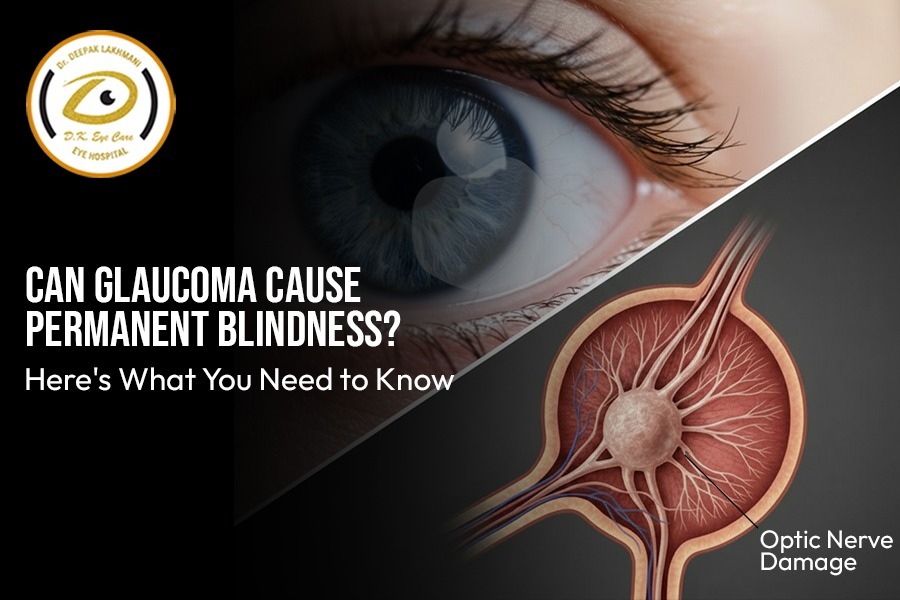
Glaucoma is not a single disease. It’s a group of eye conditions that damage the optic nerve, the cable that sends visual information from your eye to your brain. Once that nerve is damaged, the vision it carried is gone — permanently.
If you’ve been searching for answers, or a loved one was recently diagnosed, you’re in the right place. And if you’re in Uttar Pradesh and looking for expert guidance, the team at the best eye hospital in lucknow — Dr. DK Eye Care — is helping patients protect their vision every single day.
Let’s break down everything you need to know.
What Exactly Is Glaucoma?
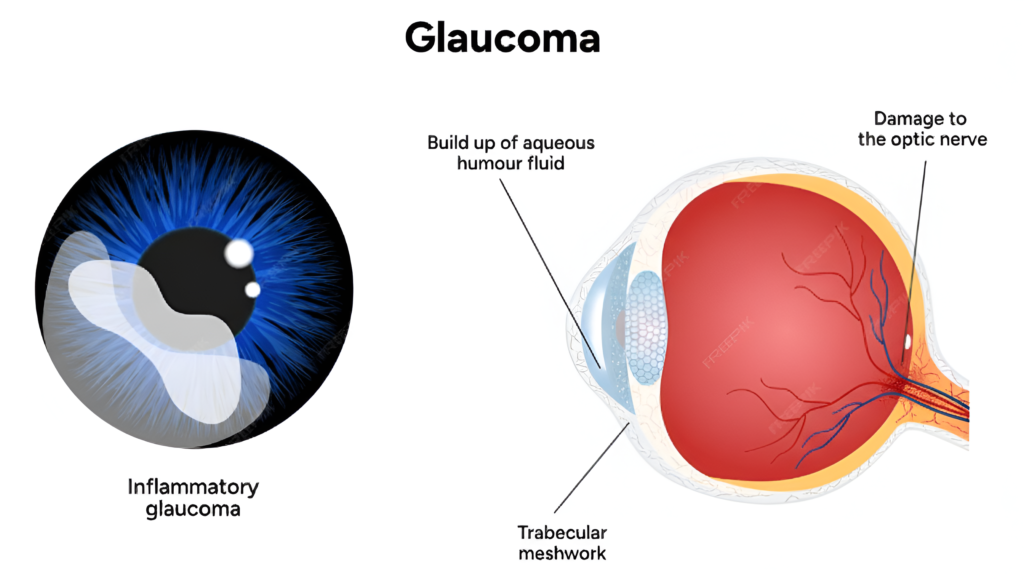
Glaucoma occurs when increased pressure inside the eye (called intraocular pressure or IOP) damages the optic nerve over time.
Think of your eye like a sink. Fluid constantly flows in and drains out. When the drainage system gets blocked, pressure builds up. That pressure squeezes and slowly destroys the optic nerve fibers — one by one.
The terrifying part? This process is painless in most cases. By the time you notice something is wrong, significant and irreversible damage may already have occurred.
There are several types of glaucoma:
- Open-angle glaucoma – The most common type. The drainage angle is open but works inefficiently, causing a slow, painless pressure buildup.
- Angle-closure glaucoma – The drainage angle is blocked suddenly or gradually. Can cause acute attacks with intense pain and rapid vision loss.
- Normal-tension glaucoma – Optic nerve damage occurs even when eye pressure is within the normal range.
- Congenital glaucoma – Present from birth, caused by abnormal eye development.
- Secondary glaucoma – Triggered by other conditions like diabetes, eye injury, or steroid use.
So, Can Glaucoma Really Cause Permanent Blindness?
Yes — and this is not something to take lightly.
Glaucoma is the second leading cause of blindness worldwide, according to the World Health Organization. In India alone, over 12 million people are estimated to have glaucoma, yet a large majority remain undiagnosed.
The vision loss caused by glaucoma is irreversible. Unlike cataracts, which can be surgically corrected, optic nerve damage cannot be undone. Once peripheral (side) vision is lost, it cannot be restored.
However — and this is critically important — blindness from glaucoma is largely preventable if the disease is caught early and managed properly.
The goal of glaucoma treatment is not to restore lost vision. It is to slow or stop further damage. That’s why early detection is everything.
Warning Signs You Should Never Ignore
Most people with open-angle glaucoma have no symptoms at all in the early stages. This is why it’s called “the silent thief of sight.”
However, some warning signs — especially in angle-closure glaucoma — should prompt an immediate visit to an eye specialist:
- Sudden, severe eye pain
- Blurred or hazy vision
- Headache, nausea, or vomiting along with eye pain
- Seeing rainbow-colored halos around lights
- Redness in the eye
- Gradual loss of peripheral (side) vision — often noticed only when it’s advanced
If you experience sudden eye pain or dramatic vision changes, treat it as a medical emergency. Do not wait.
For open-angle glaucoma, the only reliable way to catch it early is a comprehensive eye exam — which is why routine check-ups are non-negotiable.
Who Is Most at Risk?
While anyone can develop glaucoma, certain factors significantly increase your risk:
- Age – People over 60 are at significantly higher risk. However, glaucoma can occur at any age.
- Family history – If a parent or sibling has glaucoma, your risk increases by 4–9 times.
- High intraocular pressure – Elevated IOP is the most common risk factor.
- Thin corneas – A thinner-than-average central corneal thickness is a known risk factor.
- Diabetes and hypertension – These conditions affect blood flow to the optic nerve.
- Prolonged steroid use – Eye drops, tablets, or even skin creams containing steroids can raise eye pressure.
- Previous eye injury – Trauma can disrupt the eye’s drainage system.
- Severe myopia (nearsightedness) – High myopes face a higher risk of developing open-angle glaucoma.
Knowing your risk factors is the first step toward protecting your vision. If you fall into any of these categories, you should be getting regular eye pressure checks and optic nerve evaluations — even if you have no symptoms.
How Is Glaucoma Diagnosed?
Diagnosing glaucoma involves more than just checking eye pressure. A comprehensive evaluation includes:
Tonometry – Measures intraocular pressure. Normal pressure ranges from 10–21 mmHg, but glaucoma can occur even within this range.
Ophthalmoscopy – The doctor examines the optic nerve head for signs of damage or cupping (a characteristic appearance of glaucoma damage).
Perimetry (Visual Field Test) – Maps your peripheral vision to detect any early blind spots or losses that you might not have noticed.
OCT (Optical Coherence Tomography) – A highly detailed scan that measures the thickness of the nerve fiber layer surrounding the optic nerve. This can detect damage even before visual field loss occurs.
Gonioscopy – Examines the drainage angle of the eye to classify the type of glaucoma.
These tests are painless, quick, and can be life-changing. At Dr. DK Eye Care, patients have access to advanced diagnostic technology that can catch glaucoma in its earliest, most treatable stages.
Glaucoma Test Price – Detailed Cost Breakdown, Screening Types & Affordable Options
Glaucoma Treatment Options: What Can Be Done?
While glaucoma cannot be cured, it can be effectively controlled. Treatment aims to lower eye pressure and prevent further optic nerve damage.
- Eye Drops (Medicated) The first line of treatment for most glaucoma patients. These drops reduce pressure either by decreasing fluid production in the eye or improving drainage. They must be used consistently — missing doses can allow pressure to spike and damage to occur.
- Oral Medications In some cases, oral carbonic anhydrase inhibitors are prescribed alongside drops for additional pressure reduction.
- Laser Therapy
- Selective Laser Trabeculoplasty (SLT) – Uses laser energy to improve drainage in open-angle glaucoma. Minimally invasive and often very effective.
- Laser Peripheral Iridotomy (LPI) – Creates a small hole in the iris to open the drainage angle in narrow-angle or angle-closure glaucoma.
- Surgery
- Trabeculectomy – Creates a new drainage channel to allow fluid to escape the eye.
- Minimally Invasive Glaucoma Surgery (MIGS) – A newer group of procedures that are safer, have fewer complications, and are often combined with cataract surgery.
- Glaucoma Drainage Implants – Small devices implanted to help drain excess fluid.
The right treatment depends on the type of glaucoma, its severity, and the patient’s overall health. A specialist will create a personalized management plan that balances effectiveness with quality of life.
Living with Glaucoma: What Patients Need to Know
A glaucoma diagnosis can feel overwhelming, but thousands of people live full, active lives with the condition — as long as it’s managed correctly.
Here’s what matters most if you or a loved one has been diagnosed:
- Never skip your eye drops. Consistency is the cornerstone of glaucoma control. Set a daily reminder if needed.
- Attend all follow-up appointments. Glaucoma requires lifelong monitoring. Your doctor needs to track your pressure and optic nerve regularly to adjust treatment as needed.
- Protect your eyes from injury. Any trauma can worsen glaucoma.
- Avoid activities that raise intraocular pressure – such as heavy weight lifting or playing wind instruments, unless your doctor says otherwise.
- Tell your family. Because glaucoma is hereditary, your siblings and children should get screened regularly.
- Don’t self-medicate with steroids. Always inform any doctor prescribing steroids about your eye condition.
Glaucoma is manageable. It requires patience, discipline, and the right medical team — but it does not have to mean a future of darkness.
Why Early Detection Is the Only Real "Cure"
The most powerful tool against glaucoma isn’t surgery or medication — it’s a simple, routine eye exam.
Most people who go blind from glaucoma do so because they were never diagnosed early enough, or they stopped following their treatment. The optic nerve damage they accumulated over years went unnoticed until it was too late.
Getting a comprehensive eye exam every 1–2 years — especially after age 40, or earlier if you have risk factors — can catch glaucoma before it has stolen a single degree of your vision.
If you’re in Lucknow and have never had your eye pressure or optic nerve checked, don’t wait for symptoms. Book an appointment with DK Eye Care today and take the first step toward protecting your vision for life.
Don't Let Glaucoma Steal Your World in Silence
Glaucoma is one of medicine’s cruelest conditions — not because it can’t be managed, but because it often goes undetected until it’s too late to undo the damage.
The good news is that you have power here. Regular eye exams, awareness of your risk factors, and timely treatment can mean the difference between a lifetime of clear vision and a preventable descent into darkness.
Your eyes are irreplaceable. Don’t wait for a symptom that may never come. Act now.
👁 Schedule your glaucoma screening at Dr. DK Eye Care — and protect your vision today.
Frequently Asked Questions
No, glaucoma cannot be completely cured. The optic nerve damage it causes is permanent and irreversible. However, with early diagnosis and consistent treatment, the disease can be controlled very effectively, and further vision loss can be prevented or significantly slowed.
While glaucoma is more common in people over 60, it can affect people of any age — including infants (congenital glaucoma) and young adults. Anyone with a family history of glaucoma, high eye pressure, or other risk factors should get screened regardless of age.
Absolutely yes. Open-angle glaucoma — the most common type — produces no symptoms in its early stages. By the time vision loss becomes noticeable, significant and irreversible damage has usually already occurred. Routine eye exams are the only way to detect it early.
Lifestyle changes alone cannot treat glaucoma, but they can support overall eye health. Regular moderate exercise has been shown to modestly reduce intraocular pressure. Avoiding smoking, maintaining healthy blood pressure, and eating a nutritious diet rich in leafy greens and antioxidants may also be beneficial. However, these should complement — not replace — prescribed medical treatment.
If you have a first-degree relative (parent or sibling) with glaucoma, you should get a comprehensive eye exam every 1–2 years starting at age 35–40, or even earlier if your doctor recommends it. Your ophthalmologist will assess your individual risk profile and advise on the appropriate screening frequency.
Get In Touch

Dr. Deepak Lakhmani, MBBS, MS (Ophthalmology)
Dr. Deepak Lakhmani is a highly skilled and experienced ophthalmologist based in Lucknow, India. He is the founder and director of D.K. EyeCare Hospital. He specializes in cataract surgery, glaucoma management, retina care, and advanced refractive procedures. With a strong focus on accurate diagnosis and modern surgical techniques, he is committed to delivering personalized, safe, and effective eye care to every patient.