Best Eye Hospital In Lucknow | D.k Eyecare Hospital

Tips for Eye Health and Maintaining Good Eyesight
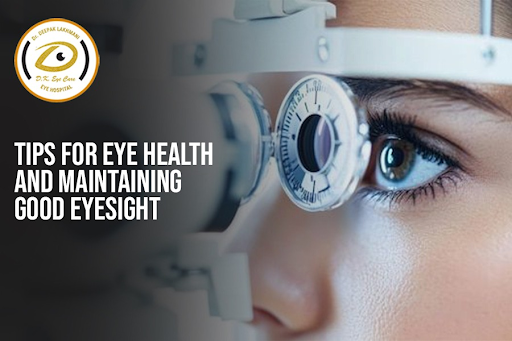
Our eyes are one of the most vital senses. Clear vision supports learning, work, safety, and quality of life. But daily life — screens, sun, poor habits — can strain and weaken eyesight over time. The good news? With mindful habits and a few simple changes, you can protect your vision and maintain healthy eyes for life.
Whether you’re reading, working long hours on a computer, or gardening under the sun, the habits you build today can make a big difference tomorrow.
Why Eye Care Matters Every Day
Eye problems often develop slowly. Many common issues like digital eye strain, dry eyes, blurry vision, and age-related conditions can creep in without obvious early symptoms. Regular attention to eye health helps you preserve vision and catch problems early when they’re easiest to treat.
1. Start With Daily Habits That Support Eye Health
Healthy eyes are not just about vision tests and glasses. Daily routines make a big impact.
Eat a Vision-Friendly Diet
Good nutrition protects your eyes from damage and supports long-term vision:
- Leafy greens like spinach and kale
- Colorful vegetables such as carrots and peppers
- Fish rich in omega-3 fats like salmon or tuna
- Nuts, seeds, and citrus fruits with antioxidants
- Eggs for lutein and zeaxanthin
These nutrients help support your retina and reduce risk of age-linked issues like macular degeneration and cataracts.
Stay Hydrated
Water isn’t just good for your body — it keeps your eyes moist too. Proper hydration reduces dryness and irritation, making your eyes feel more comfortable all day.
Aim for Quality Sleep
Sleep gives your eyes time to rest and recover from daily strain. Adults should aim for 7–8 hours of sleep each night. Tired eyes are more likely to feel strained, dry, or irritated.
2. Protect Your Eyes From Everyday Strain

Use the 20-20-20 Rule
Screens are unavoidable for many people. But constant focus can cause fatigue. Try this simple practice:
Every 20 minutes, take a 20-second break and look at something 20 feet away.
This subtle shift relaxes your eye muscles and helps prevent strain.
Wear UV-Blocking Glasses Outdoors
Your eyes need protection just like your skin.
- Choose sunglasses that block 100% UVA and UVB rays
- Wear a hat for extra shade on bright sunny days
Long-term sun exposure increases the risk of cataracts and other damage.
Adjust Lighting and Screen Settings
Poor lighting and glare can tire your eyes quickly.
- Ensure your workspace is well lit
- Reduce screen glare with soft lighting or anti-glare filters
- Keep screens at a comfortable distance and level
Good lighting and screen setup help reduce fatigue and make it easier for your eyes to focus.
3. Simple Eye Exercises and Care

Beyond nutrition and breaks, small daily practices can soothe and strengthen your eyes.
Try These Easy Eye Movements
Just a few minutes a day goes a long way:
- Eye rolling: Gently roll your eyes in circles
- Near-far focus: Shift focus from something close to something far
- Blink breaks: Blinking helps your eyes stay naturally lubricated
These little movements improve focus flexibility and ease tension, especially after long screen time.
Keep Your Eyes Clean
Whether you wear makeup, contact lenses, or no correction at all, good hygiene matters.
- Wash hands before touching your eyes
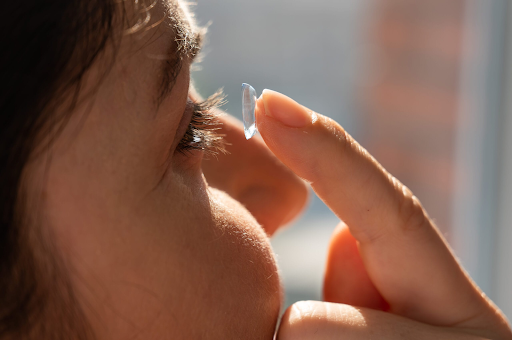
- Clean contact lenses and follow replacement guidance
- Remove eye makeup thoroughly
This reduces the risk of irritation and infections like conjunctivitis.
4. Avoid Habits That Damage Your Eyes
Quit Smoking
Smoking affects more than your lungs. It increases the risk of cataracts, glaucoma, and macular degeneration. Quitting supports eye health and overall well-being.
Limit Excessive Screen Time
Extended hours on digital devices without breaks can increase eye strain and dryness. Follow the 20-20-20 rule, pause often, and don’t ignore discomfort.
5. When to See a Professional
Healthy habits are essential, but regular professional care is irreplaceable.
Schedule Routine Eye Exams
Even if your vision feels fine, a check-up helps detect hidden conditions like glaucoma, early cataracts, or retina issues — often before symptoms appear. Adults should have an eye exam at least once a year, or more often if they have risk factors like diabetes or family history of eye disease.
Watch for Warning Signs
Some symptoms mean you should see an eye specialist sooner:
- Blurred or double vision
- Persistent eye pain
- Sudden changes in vision
- Light flashes or floaters
Early evaluation can prevent long-term problems and protect your vision.
For expert consultation and compassionate care, you may visit D.K Eyecare Hospital for complete eye checkups and treatment options.
6. Lifestyle Choices That Help Long Term
Stay Physically Active
Regular exercise supports healthy circulation, including to the eyes. Good circulation helps deliver oxygen and nutrients, which is vital for retinal health.
Manage Chronic Conditions
Health issues like high blood pressure and diabetes can harm vision if unmanaged. Keeping these conditions under control protects your eye health as well.
Conclusion
Taking care of your eyes doesn’t require complicated routines. With healthy nutrition, mindful screen habits, sun protection, regular eye checkups, and simple daily care, you can protect your vision and keep your eyes comfortable and strong.
If you have any concerns or need personalized support, consider consulting experienced specialists at DK Eye Care Hospital, known as one of the Best Eye Hospitals in Lucknow, where professional treatment is delivered with genuine care and clear guidance.
Frequently Asked Questions (FAQs)
Most adults should get an eye exam at least once a year. Those with risk factors like diabetes, high blood pressure, or family history of eye disease may need more frequent visits.
Yes. Foods rich in vitamins A, C, E, omega-3 fatty acids, lutein, and zeaxanthin support retinal health, reduce oxidative damage, and help maintain clear vision.
Every 20 minutes, take a 20-second break and look at something 20 feet away. This helps relax your eye muscles and reduce digital eye strain.
Absolutely. Sunglasses that block 100% of UVA and UVB rays help reduce long-term sun damage to the lens and retina, lowering the risk of cataracts and other eye conditions.
Persistent blurred vision, sudden vision changes, eye pain, flashes of light, or floaters are all signs you should see an eye specialist promptly.
Get In Touch
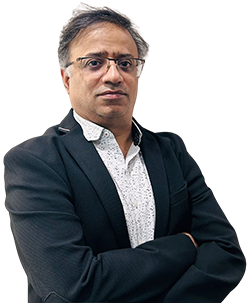
Dr. Deepak Lakhmani, MBBS, MS (Ophthalmology)
Dr. Deepak Lakhmani is a highly skilled and experienced ophthalmologist based in Lucknow, India. He is the founder and director of D.K. EyeCare Hospital. He specializes in cataract surgery, glaucoma management, retina care, and advanced refractive procedures. With a strong focus on accurate diagnosis and modern surgical techniques, he is committed to delivering personalized, safe, and effective eye care to every patient.