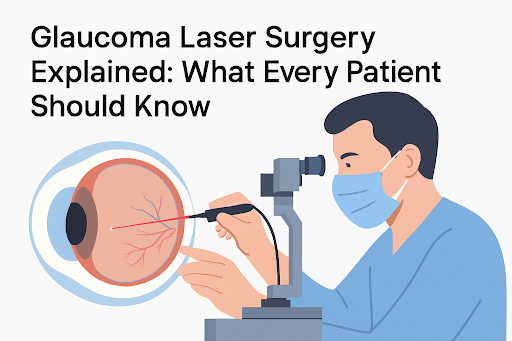
Glaucoma is a serious eye condition that can lead to irreversible vision loss if not managed properly. Known as the silent thief of sight, it often progresses without noticeable symptoms until significant damage occurs. Fortunately, advancements in medical technology, such as glaucoma laser surgery, offer effective solutions to manage this condition and preserve vision. For those seeking treatment, finding a reputable eye hospital in Lucknow can make a significant difference. This blog provides an in-depth look at glaucoma laser surgery, including its types, procedures, benefits, risks, and recovery, tailored for those exploring treatment options.
What is Glaucoma?
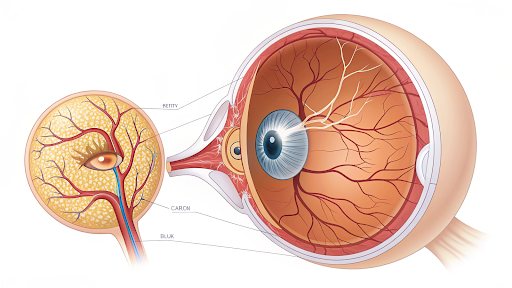
Glaucoma is a group of eye disorders characterized by increased intraocular pressure (IOP) that damages the optic nerve, which transmits visual information to the brain. If left untreated, this damage can lead to permanent blindness. The condition is often linked to the buildup of aqueous humor, a fluid that normally drains from the eye but becomes obstructed, causing pressure to rise.
Types of Glaucoma
Understanding the type of glaucoma is crucial for determining the appropriate treatment. Here are the main types:
- Open-Angle Glaucoma: The most common form, where the drainage angle is open but fluid drains too slowly, leading to pressure buildup. It progresses gradually, often without symptoms.
- Angle-Closure Glaucoma: Also called narrow-angle glaucoma, this occurs when the drainage angle is blocked, causing a sudden rise in intraocular pressure (IOP). Symptoms include eye pain, headaches, and blurred vision.
- Normal-Tension Glaucoma: Optic nerve damage occurs despite normal IOP, often linked to genetic factors or poor blood flow to the optic nerve.
- Congenital Glaucoma: Present at birth, caused by developmental abnormalities in the eye’s drainage system, leading to elevated IOP.
Causes and Risk Factors
The primary cause of glaucoma is increased intraocular pressure (IOP) due to poor drainage of aqueous humor. Other contributing factors include:
- Family history of glaucoma
- Diabetes or high blood pressure
- Eye injuries or chronic eye conditions
- Long-term steroid use
- Age over 40
Early detection through regular eye exams is critical, as glaucoma often shows no early symptoms.
What is Glaucoma Laser Surgery?
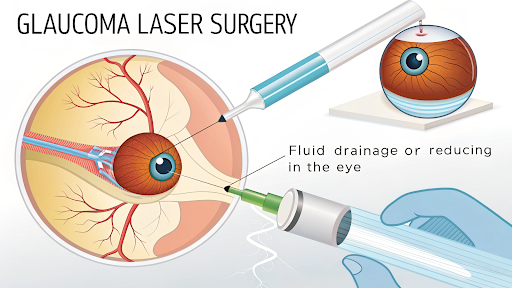
Glaucoma laser surgery uses focused laser beams to improve fluid drainage or reduce fluid production in the eye, thereby lowering IOP. These procedures are typically performed in an outpatient setting and are minimally invasive compared to traditional surgery.
Why Choose Laser Surgery?
Laser surgery is often recommended when medications, such as eye drops, fail to control intraocular pressure (IOP) or when patients experience side effects from medications. It’s also used as a primary treatment in some cases, offering benefits like:
- Minimally invasive: No incisions are required, reducing recovery time.
- Quick procedure: Most surgeries take 5–15 minutes per eye.
- Outpatient setting: Patients can return home the same day.
- Repeatable: Some procedures, like Selective Laser Trabeculoplasty, can be repeated if needed.
Types of Glaucoma Laser Surgery
The type of laser surgery depends on the form and severity of glaucoma. Below are the two primary procedures, each designed to address specific aspects of the condition.
Selective Laser Trabeculoplasty (SLT)
SLT is primarily used for open-angle glaucoma. It targets the trabecular meshwork, the eye’s drainage system, to improve fluid outflow.
- How it works: A low-energy laser selectively stimulates pigmented cells in the trabecular meshwork, enhancing drainage without damaging surrounding tissue.
- Effectiveness: Reduces IOP by 20–30% in about 80% of patients. Effects last 2–3 years but may wear off, requiring repeat treatments.
- Procedure: Performed in an office setting with numbing drops. A special lens focuses the laser, and patients may see bright flashes. The procedure takes 5–10 minutes.
- Advantages: Repeatable, minimal scarring, and can be used as a first-line treatment instead of eye drops.
- Best for: Patients with primary or secondary open-angle glaucoma who need better IOP control.
Laser Peripheral Iridotomy (LPI)
LPI is the treatment of choice for narrow-angle glaucoma or those at risk of acute angle-closure attacks.
- How it works: A laser creates a small hole in the iris to allow fluid to flow freely into the anterior chamber, relieving pressure caused by a blocked drainage angle.
- Effectiveness: Highly effective in preventing acute angle-closure attacks and reducing IOP in chronic cases.
- Procedure: Performed under topical anesthesia with a contact lens to focus the laser. Patients may feel a slight stinging sensation. It takes a few minutes.
- Advantages: Prevents sudden IOP spikes, especially in patients with anatomically narrow angles.
- Best for: Patients with narrow-angle glaucoma or those at risk of acute attacks.
| Procedure | Target Area | Glaucoma Type | Effectiveness | Repeatable | Setting |
|---|---|---|---|---|---|
| Selective Laser Trabeculoplasty (SLT) | Trabecular Meshwork | Open-Angle Glaucoma | 20–30% IOP reduction in 80% | Yes | Doctor’s Office |
| Laser Peripheral Iridotomy (LPI) | Iris | Narrow-Angle Glaucoma | Prevents acute attacks | No | Doctor’s Office |
What to Expect During Glaucoma Laser Surgery
Laser surgeries are quick and generally well-tolerated, with minimal discomfort. Here’s what patients can expect:
- Preparation: Numbing drops (and sometimes apraclonidine to prevent IOP spikes) are applied. A contact lens may be placed on the eye to focus the laser.
- During the procedure: Patients may see bright flashes or feel a slight stinging sensation (especially with LPI). The procedure is typically painless due to anesthesia.
- Duration: Most procedures take 5–15 minutes per eye. Both eyes may be treated in one session or scheduled separately.
- Post-procedure: Anti-inflammatory drops are prescribed for a few days to reduce inflammation. Vision may be slightly blurry, and the eye may feel irritated temporarily.
Patients should arrange transportation home, as driving immediately after is not recommended.
Benefits of Glaucoma Laser Surgery
Glaucoma laser surgery offers several advantages, making it a preferred option for many patients:
- Effective IOP reduction: Helps prevent further optic nerve damage.
- Minimally invasive: Reduces risks compared to traditional surgery like trabeculectomy.
- Quick recovery: Most patients resume normal activities the next day.
- Reduced medication dependency: May decrease the need for daily eye drops, improving quality of life.
- Long-term vision preservation: Slows or halts glaucoma progression, protecting remaining vision.
Risks and Considerations
While glaucoma laser surgery is generally safe, it carries some risks:
- Short-term IOP spike: Some patients experience a temporary increase in IOP post-surgery, which can be managed with medications.
- Inflammation: Mild inflammation is common but typically resolves with anti-inflammatory drops.
- Cataract risk: There’s a small risk of developing cataracts, particularly with LPI, though the benefits often outweigh this risk.
- Limited duration of effect: IOP reduction may not be permanent, and repeat procedures or additional treatments may be needed.
- Rare complications: In rare cases, procedures like LPI may cause glare or double vision due to the iris hole.
It’s important to discuss these risks with a glaucoma specialist to make an informed decision.
Recovery and Aftercare
Recovery from glaucoma laser surgery is typically straightforward:
- Immediate post-surgery: Patients may experience mild irritation, redness, or blurry vision for a few hours. Anti-inflammatory drops are prescribed to aid healing.
- Activity restrictions: Avoid rubbing the eyes or strenuous activities for a few days. Most patients resume normal activities the next day.
- Follow-up visits: A follow-up appointment is usually scheduled within a week to monitor IOP and check for complications.
- Medication use: Many patients still require glaucoma medications post-surgery, though the dosage may be reduced.
A healthy lifestyle, including managing diabetes and blood pressure, can support long-term eye health and prevent glaucoma progression.
Diagnosis Before Surgery
Accurate diagnosis is key to determining the right laser surgery. Common diagnostic tests include:
- Tonometry: Measures IOP using a tonometer to assess pressure levels.
- Ophthalmoscopy: Examines the optic nerve for signs of damage.
- Optical Coherence Tomography (OCT): A non-invasive imaging test to detect early optic nerve damage.
- Humphrey Visual Field Test: Maps the field of vision to assess glaucoma-related vision loss.
- Gonioscopy: Evaluates the drainage angle to classify the type of glaucoma.
These tests are standard at specialized facilities and help tailor the treatment plan.
👁🗨 Lucknow’s #1 Trusted Eye Hospital 🏥✨
Choosing the Right Facility for Glaucoma Laser Surgery
Selecting a trusted eye hospital is critical for successful outcomes. Look for:
- Experienced glaucoma specialists: Surgeons with expertise in SLT and LPI.
- Advanced diagnostic tools: Facilities equipped with OCT, tonometry, and visual field analyzers.
- Comprehensive care: Hospitals offering pre- and post-surgical support, including follow-up care.
- Patient-centered approach: Clear communication and personalized treatment plans.
Common Myths About Glaucoma Laser Surgery
Several misconceptions surround glaucoma laser surgery. Let’s debunk a few:
- Myth: Laser surgery can
cure glaucoma.
Fact: Laser surgery controls IOP but does not cure glaucoma or restore lost vision. - Myth: Lasers can remove
cataracts.
Fact: Lasers are used for capsulotomy (clearing cloudy lens capsules post-cataract surgery) but not for cataract removal. - Myth: Surgery eliminates
the need for medications.
Fact: Many patients still need medications, though the dosage may decrease.
FAQs About Glaucoma Laser Surgery
Who is at risk of developing glaucoma?
- Individuals over 40
- Those with a family history of glaucoma
- Patients with diabetes or high blood pressure
- Individuals with a history of eye injuries
Is glaucoma laser surgery painful?
Most procedures are painless due to numbing drops, though patients may feel a slight stinging sensation with LPI.
Can laser surgery restore lost vision?
No, surgery prevents further vision loss but cannot restore vision already lost due to optic nerve damage.
How long does the effect of laser surgery last?
The duration varies by procedure and patient factors like age and glaucoma type. SLT effects may last 2–3 years, while LPI is often a one-time procedure.
Can glaucoma affect both eyes?
Yes, glaucoma often affects both eyes, though the severity and progression may differ. Regular checkups can detect issues early.
👁🗨 Lucknow’s #1 Trusted Eye Hospital 🏥✨
Conclusion
Glaucoma laser surgery, including SLT and LPI, offers a safe and effective way to manage glaucoma and prevent vision loss. By lowering intraocular pressure, these procedures help protect the optic nerve and preserve vision. While not a cure, laser surgery can significantly improve quality of life by reducing reliance on medications and slowing disease progression. For those in need of treatment, consulting a glaucoma specialist at a trusted facility ensures the best outcomes. Regular eye exams and early intervention are key to managing this silent but serious condition.