The Critical Importance of Cataract Surgery
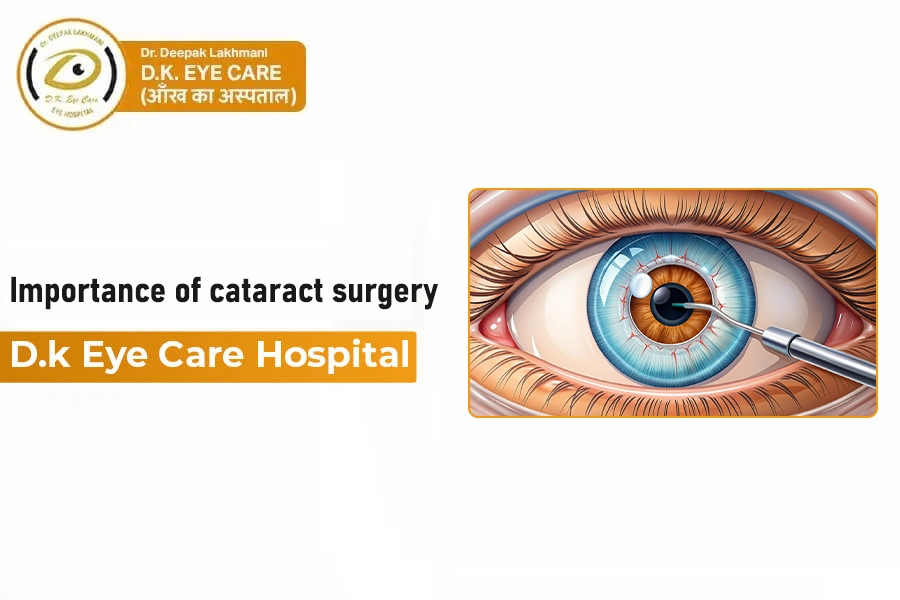
The Critical Importance of Cataract Surgery
Cataract surgery is a life-changing procedure that offers immense benefits to those suffering from vision impairment due to cataracts. In this comprehensive article, we delve into the significant reasons why cataract surgery is essential, how it impacts patients’ lives, and what to expect from the procedure. By the end of this read, you will understand why cataract surgery is not just an option but a necessity for many.
Understanding Cataracts
Cataracts are a common eye condition where the lens of the eye becomes cloudy, leading to a decrease in vision. This cloudiness is due to the clumping of proteins in the lens, which can develop slowly over time. People with cataracts often experience blurred vision, difficulty with glare, and trouble seeing at night. The only effective treatment for cataracts is surgical removal of the cloudy lens, which is then replaced with an artificial one.
The Necessity of Cataract Surgery
Cataract surgery is critical because it directly addresses the root cause of vision impairment caused by cataracts. Without this procedure, individuals may face significant vision loss, which can severely impact their daily activities and overall quality of life. The surgery is usually recommended when cataracts begin to affect one’s ability to carry out routine tasks such as reading, driving, or recognizing faces.
Benefits of Cataract Surgery
The benefits of cataract surgery are profound and numerous. Here are some key advantages:
Restored Vision Cataract surgery can significantly improve vision. Most patients experience a dramatic increase in clarity and brightness of vision, enabling them to return to activities they enjoy and improve their overall quality of life.
Enhanced Quality of Life With better vision, individuals can engage more fully in everyday activities, from hobbies and socializing to work and exercise. This enhancement in quality of life is one of the most compelling reasons for undergoing the surgery.
Increased Safety Improved vision reduces the risk of accidents and falls, which are particularly dangerous for older adults. Cataract surgery can thus contribute to greater independence and mobility.
High Success Rate Cataract surgery boasts a high success rate, with most patients experiencing significant improvement in their vision. The procedure is well-established and widely practiced, making it one of the safest and most effective surgeries available.
Preparation for Cataract Surgery
Preparing for cataract surgery involves several steps to ensure the best possible outcome. A comprehensive eye examination is conducted to assess the overall health of the eyes and determine the most suitable type of intraocular lens (IOL). Patients may be advised to stop taking certain medications and use specific eye drops before the surgery.
The Cataract Surgery Procedure
Cataract surgery is typically performed on an outpatient basis and involves the following steps:
Anesthesia Local anesthesia is used to numb the eye, and patients may also receive a sedative to help them relax during the procedure.
Incision A small incision is made in the cornea to access the cloudy lens.
Lens Removal Using a technique called phacoemulsification, the surgeon uses ultrasound waves to break up the cloudy lens, which is then removed.
Lens Replacement An artificial intraocular lens (IOL) is implanted to replace the removed lens, restoring clear vision.
Recovery and Aftercare
Post-surgery, patients are monitored for a short period before being allowed to go home. It’s important to follow all aftercare instructions, including the use of prescribed eye drops to prevent infection and inflammation. Most patients notice an improvement in their vision within a few days, although complete recovery may take a few weeks in best eye hospital of Lucknow.
Risks and Complications
While cataract surgery is generally safe, there are potential risks and complications, including infection, bleeding, or retinal detachment. However, these are rare, and the benefits of improved vision far outweigh the risks for most patients.
Cataract Surgery in Special Populations
Certain populations, such as diabetics or those with other eye conditions, may require special considerations for cataract surgery. It is crucial for these patients to discuss their medical history in detail with their ophthalmologist to ensure the best surgical plan.
Innovations in Cataract Surgery
Advancements in cataract surgery technology have made the procedure even more effective and safer. Techniques such as laser-assisted cataract surgery provide greater precision, potentially leading to better visual outcomes and faster recovery times.
Economic Impact of Cataract Surgery
From an economic perspective, cataract surgery is cost-effective because it reduces the healthcare costs associated with vision impairment. Improved vision leads to fewer accidents and a lower need for assistance, translating into significant savings.
Global Perspective on Cataract Surgery
Cataract surgery has a profound impact worldwide, especially in developing countries where cataract blindness is more prevalent. International health organizations often prioritize cataract surgery in their initiatives to combat preventable blindness.
Patient Stories: The Transformative Power of Cataract Surgery
Hearing from patients who have undergone cataract surgery can be incredibly inspiring. Many describe the experience as life-changing, with newfound independence and a renewed sense of joy in their daily lives.
The Role of Caregivers and Support Systems
Support from family and caregivers is crucial during the cataract surgery process. Their assistance can help ensure that patients follow pre- and post-operative instructions carefully, leading to better outcomes.
FAQs about Cataract Surgery
- What are the symptoms of cataracts? Cataract symptoms include blurred vision, sensitivity to light, difficulty seeing at night, and colors appearing faded or yellowed.
- When should one consider cataract surgery? Cataract surgery is usually considered when vision impairment starts affecting daily activities like reading, driving, or recognizing faces.
- How long does cataract surgery take? The procedure typically takes about 15 to 30 minutes per eye.
- Is cataract surgery painful? No, cataract surgery is generally not painful. Local anesthesia is used to numb the eye, and patients may also receive a sedative.
- What is the recovery time for cataract surgery? Most patients experience significant vision improvement within a few days, with full recovery taking several weeks.
- Can cataracts return after surgery? No, cataracts cannot return after surgery, but some patients may develop a condition called posterior capsule opacification, which can be treated with a laser procedure.
The importance of cataract surgery cannot be overstated. It not only restores vision but also significantly enhances the quality of life, independence, and safety of those affected by cataracts. With modern advancements making the procedure safer and more effective than ever, cataract surgery remains a cornerstone in the field of ophthalmology, offering hope and improved vision to millions worldwide.
Suggested Inbound Links:
- “How to Prepare for Cataract Surgery”
- “Understanding Different Types of Intraocular Lenses (IOLs)”
Suggested Outbound Links:
- American Academy of Ophthalmology (AAO) – Cataract Surgery
- World Health Organization (WHO) – Blindness and Vision Impairment